

Canada Visitor Visa
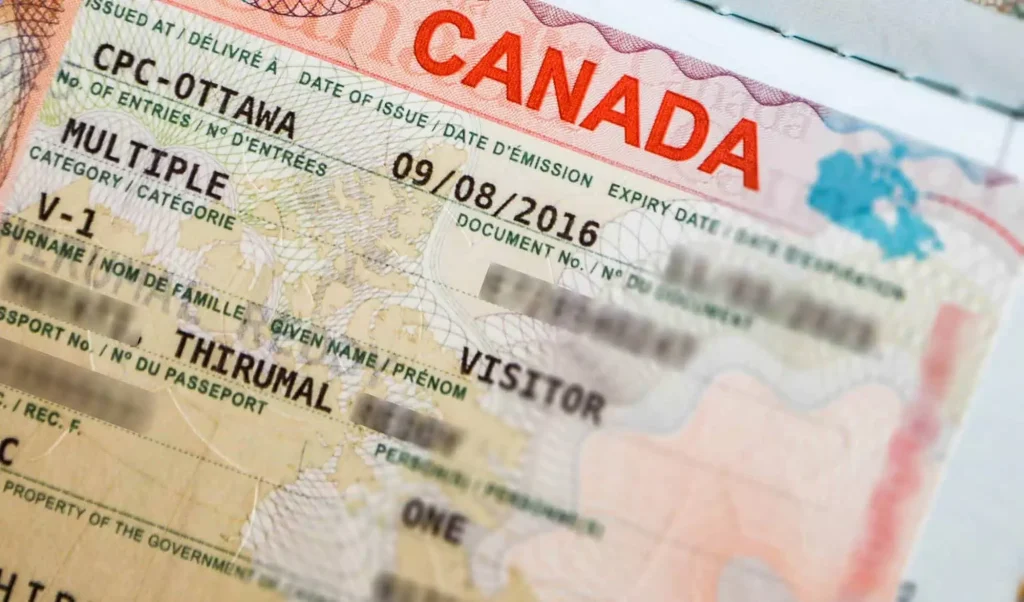
The Canadian visitor visa, also known as the Temporary Resident Visa (TRV), is one of the most popular types of visas for individuals who wish to travel to Canada for a short period. This visa is typically issued for purposes such as visiting family members, tourism, attending cultural or sporting events, or even participating in short-term educational programs. The Canadian tourist visa can be issued as either a single-entry or multiple-entry visa, and its validity usually depends on the applicant’s passport and the discretion of the immigration officer.
One of the key factors in a successful application is transparency and honesty in providing information. If the documents are incomplete, inconsistent, or unclear, the chances of refusal increase. In case of rejection, it is important to carefully review the reasons provided and, if possible, reapply after addressing the deficiencies. Seeking advice from immigration professionals can significantly improve the chances of success, especially for applicants with a history of refusals or more complex circumstances.

Canada Visitor Visa at a Glance
Visa Validity
Until Passport Expiry
Processing Time
30 Days
Success Rate
60%
Types of Canadian Tourist Visa
Single
This type of visa allows the applicant to enter Canada only once. After leaving the country, a new visa is required for re-entry. This visa is typically issued for specific cases, such as short-term events or trips that have a particular reason for being limited.
Multiple
A multiple-entry visa allows the holder to enter Canada repeatedly during the validity of the visa, which is usually until the passport’s expiry (for Iranians, up to a maximum of 5 years). Each entry typically permits a temporary stay of up to 6 months.
Super Visa
This type of visa allows the applicant to enter Canada only once. After leaving the country, a new visa is required for re-entry. This visa is typically issued for specific cases, such as short-term events or trips that have a particular reason for being limited.
Alongside these two types, there is a special subcategory called the Super Visa, specifically for parents and grandparents of Canadian citizens or permanent residents. This visa allows for a longer-term stay (up to 5 years without the need for renewal) and requires health insurance from Canadian insurance providers.
Benefits of the Canada Visitor Visa
- The possibility of converting a Visitor Visa to a Study Permit or Work Permit within Canada
- Enhancing travel history and credibility
- The opportunity to participate in short-term educational programs and workshops
- The ability to visit and assess the job market and business opportunities
- Traveling to one of the most beautiful and safest countries in the world
- Getting close exposure to Canadian lifestyle, culture, and market
Requirements for Obtaining a Canada Visitor Visa
One of the most important requirements for a Canada Visitor Visa is to demonstrate that you have the financial means to cover your travel expenses. Currently, it is expected that you have at least CAD 12,000 available for a six-month stay.
Defining the purpose of your trip is one of the most important parts of a Canada Visitor Visa application, as the immigration officer uses it to assess whether your intention for temporary travel is genuine. The purpose of your trip must be clear, specific, and well-documented. For example, if you plan to visit relatives, you should provide an invitation letter and details about your host. If your purpose is tourism, your travel itinerary and accommodation bookings should be clearly outlined. Lack of a clear purpose or providing vague reasons may raise doubts about your intention to return to your home country, which could result in visa refusal.
Providing strong reasons for returning to your home country is one of the most important factors influencing the approval of a Canada Visitor Visa, as the immigration officer must be convinced that the applicant will return home after the visa expires. These reasons can include family ties (such as a spouse, children, or parents), stable employment, ownership of property (such as a house or land), financial or professional commitments, or ongoing education in your home country. Documenting these with official evidence, such as an employment certificate, property deed, or university enrollment, can significantly increase your chances of obtaining the visa.
Do you want to significantly increase your chances of getting a Visitor Visa?
Owning property and having a valid international travel history are among the key factors that can positively influence a visa officer’s decision to approve a Canada Visitor Visa. These demonstrate financial stability, strong ties to your home country, and compliance with immigration regulations in past travels, which can increase confidence in your return after visiting Canada.
Steps to Obtain a Canada Visitor Visa
The process for obtaining a Canada Visitor Visa is not very difficult or complicated, and all steps can be completed through the Immigration, Refugees and Citizenship Canada (IRCC) online system. Therefore, many people can travel to Canada by following the steps below:
- Registering in the online system of Immigration, Refugees and Citizenship Canada (IRCC)
- Completing the application forms online through the IRCC portal
- Preparing the required documents and uploading them to the system
- Paying the necessary fees for the Canada Visitor Visa
- Receiving the biometric instruction letter
- Receiving the visa decision
- Visa pickup and obtaining the visa label
How to Increase Your Chances of Obtaining a Canada Visitor Visa
If your case is complex or you need guidance, seek assistance from experienced professionals to properly prepare your documents and application forms.
- Valid identification and passport
- Visa application forms completed accurately and fully
- Passport-sized photos meeting Canadian embassy standards
- Valid financial documents demonstrating the ability to cover travel expenses
- Employment or study letters to prove your professional or educational status
- Providing documents that demonstrate strong ties to your home country, such as employment, family, property, education, or other commitments
- Round-trip tickets or a clear and reasonable travel itinerary
- Documents showing that you do not have plans for long-term work or residence in the destination country
- Specified entry and exit dates
- A clear purpose of travel, such as tourism, visiting family, or attending a specific event
- Hotel reservations or a valid invitation letter, if applicable
- Logical and traceable travel routes
If you have previously obtained visas for other countries and returned without any issues, be sure to include them in your application. This positive travel history can increase the embassy’s confidence in your case.
Using the services of immigration consultants and lawyers is very important because they have experience and full knowledge of immigration laws and procedures. They can help properly prepare your documents and forms, reduce common mistakes, and significantly increase the chances of your visa application being approved.
Providing fake documents or false information will result in the immediate refusal of your visa application and may even lead to a ban on entering Canada.